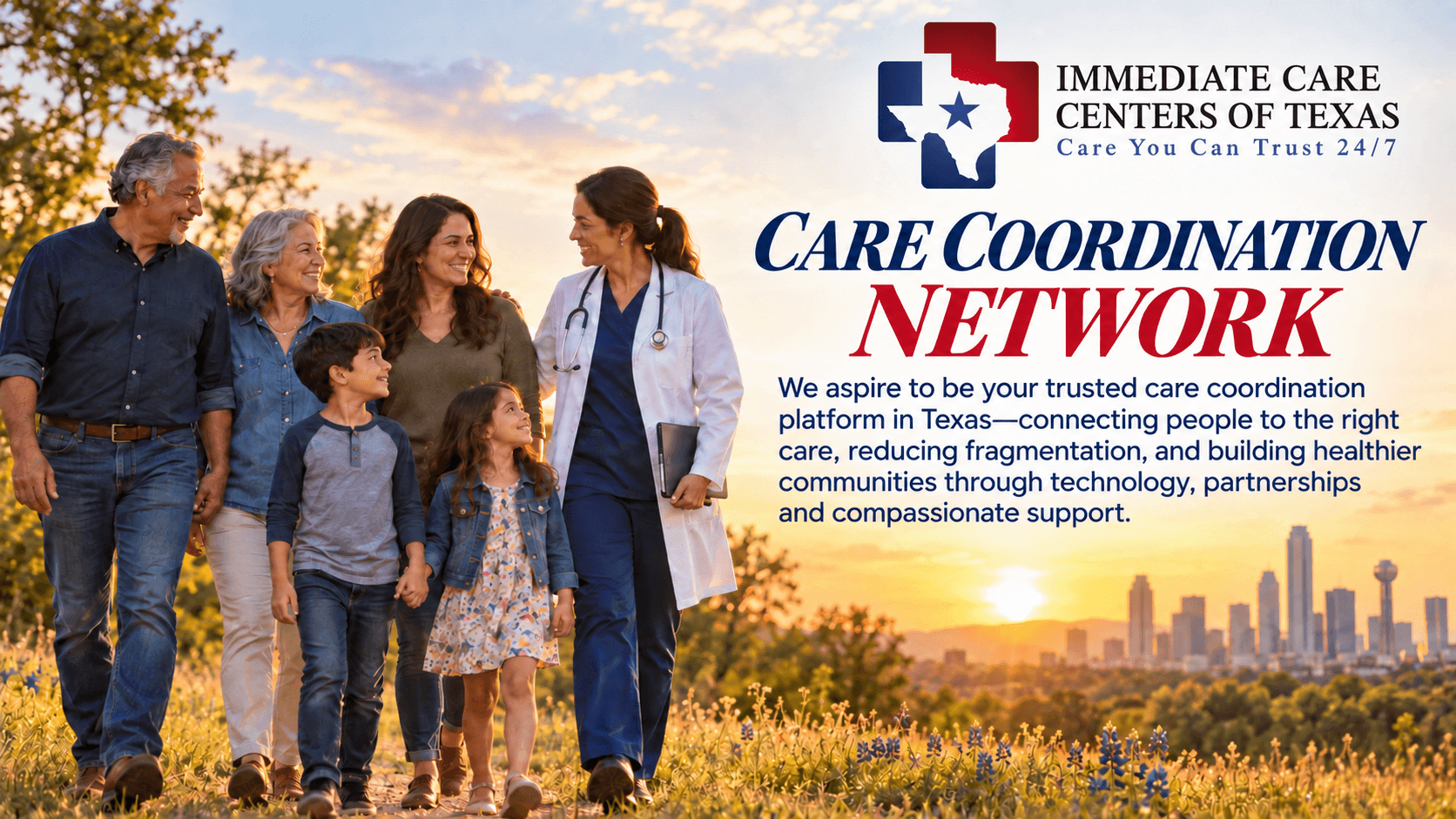
Why Personalized Healthcare Leads to Better Long-Term Wellness Healthcare is no longer limited to treating illnesses after they appear. Today, more people are choosing a proactive approach that focuses on preventing health problems before they develop. Personalized healthcare is at the center of this shift, offering customized care based on an individual's unique health profile, lifestyle, and wellness goals. Unlike traditional healthcare, personalized care recognizes that every person is different. Factors such as age, medical history, body composition, daily habits, and fitness levels all influence overall health. Comprehensive Health Assessments Make a Difference A personalized health plan begins with a detailed assessment that provides valuable insights into the body's current condition. These evaluations help identify strengths, weaknesses, and potential health risks before they become serious concerns. Regular assessments also make it easier to track progress over time. As health goals change, personalized care plans can be adjusted to ensure continued improvement. Ways Personalized Healthcare Encourages Better Engagement * Sets realistic and achievable health goals. * Builds stronger communication with healthcare providers. * Encourages healthier daily habits. * Promotes regular health monitoring. * Increases confidence in healthcare decisions. * Supports lifelong wellness. The Role of Technology in Personalized Healthcare Modern healthcare technology has made personalized care more accessible than ever before. Advanced health assessments provide detailed information that helps healthcare providers make informed decisions based on accurate data. Digital health records, wearable fitness devices, and advanced diagnostic tools allow providers to monitor progress and adjust care plans whenever necessary. These technologies improve both accuracy and convenience.
Topics